Loading

Yext Chat

A Trusted Enterprise Conversational AI, Built from 0→1

Yext Chat Hero

Opportunity

Conversational AI rapidly shifted discovery from navigation to direct questions. While many chat experiences prioritized speed and fluency, they introduced significant risk for businesses by offering limited control over accuracy, sourcing, and brand safety.

As discovery moved toward chat-based interfaces, Yext saw a clear opportunity. With the Knowledge Graph already serving as a single source of truth for accurate, structured business data, Yext was uniquely positioned to extend its product suite into conversational experiences. Chat could be powered by data businesses already controlled and trusted - enabling accurate, brand-safe answers without sacrificing governance.


Details

Role: Product Strategy & UX Design

Domains: Chat · AI


My Role

Yext Chat was led as a true 0→1 initiative, driven by Product and Design. I was the sole designer, owning opportunity framing, product vision, interaction models, and governance decisions, while partnering closely with Product and Engineering in a small triad.


Company Overview

Yext is an enterprise digital presence platform that helps brands manage, optimize, and measure their presence across search, maps, websites, and apps—delivering accurate, trusted experiences at scale across complex, multi-location environments.


Product Context

Knowledge Graph

Yext Knowledge Graph is a centralized system of record that stores and structures business data across locations, products, services, and more. It ensures accurate, consistent information powers every downstream digital experience.

Chat

Yext Chat allows businesses to deliver conversational AI experiences grounded in their own structured data stored in Knowledge Graph. It enables accurate, brand-safe responses while maintaining control and governance over AI-driven interactions.


Chapter 1

Discovery

Research

What the Market Missed

Following the release of ChatGPT, dozens of conversational products entered the market. Most prioritized conversational polish and responsiveness, but failed to address core enterprise concerns:

  • Where answers were sourced from
  • How responses were governed and controlled
  • How trust could scale across large organizations
Bulb icon

Key Takeaway

Content coming soon...

Chapter 2

Strategy

Vision

Enable businesses to deliver conversational answers with confidence—accurate, governed, and aligned with their brand.

Value Proposition

Yext Chat powered conversational AI using authoritative data from the Knowledge Graph, allowing businesses to deliver fast, conversational answers without sacrificing accuracy, transparency, or control.

Chapter 3

Ideation

Design Approach

Designing for Trust Behind the Interface

Rather than starting with the chat interface, ideation focused on the system required to generate conversational answers that enterprises could trust at scale. The core challenge was defining how user inputs were interpreted, how responses were generated, and how businesses could retain confidence and control without added operational burden.

The work centered on designing the logic and guardrails behind the experience—ensuring responses were grounded in Knowledge Graph data, transparent in how they were formed, and reviewed or controlled before reaching end users. Trust, oversight, and accountability were treated as foundational design problems, not secondary features.

Key areas of focus included:

  • Interpreting user intent and context to guide response generation
  • Defining how Knowledge Graph data is selected and used
  • Enabling business oversight without constant intervention
  • Balancing automation with clear points of human control
Ideation 1
Chapter 4

Final Solution

The final experience delivered a conversational AI grounded in Knowledge Graph data, supported by transparent sourcing and enterprise controls - enabling fast answers without sacrificing trust or governance.

Final solution screenshot 1
Expand
1

Streamlined Chatbot Setup

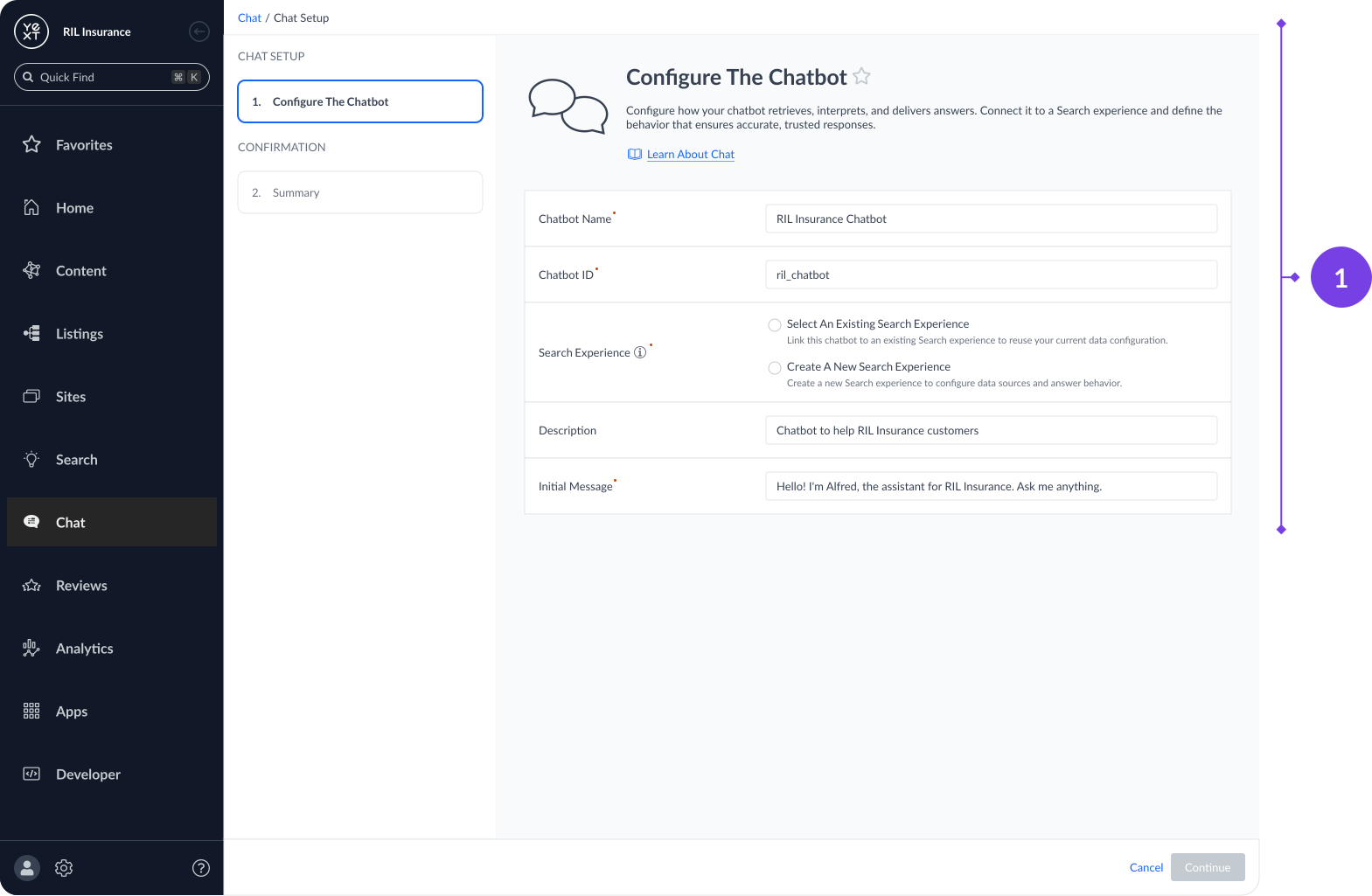
A guided setup flow allowed teams to configure core chatbot settings and connect to an existing or new Search experience. Built on retrieval-augmented generation, responses were grounded in Knowledge Graph data retrieved through Yext Search - enabling fast launch while maintaining enterprise control over accessed content.

Final solution screenshot 2
Expand
2

Goal-Based Conversation Design

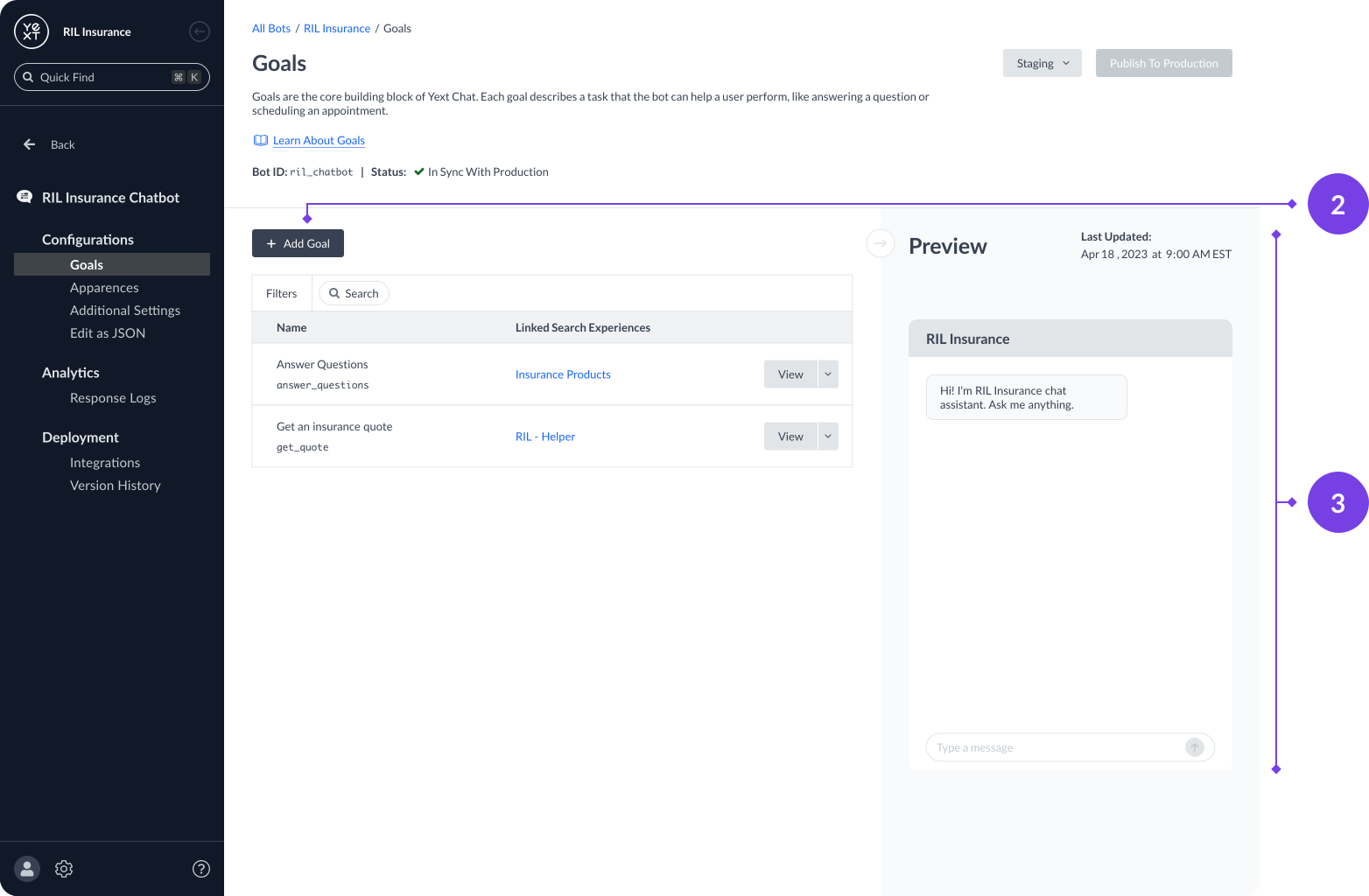
The chatbot was structured around configurable goals that defined specific user intents such as answering questions, collecting leads, or triggering actions. Each goal included example phrases and instructions that controlled how responses were generated or tasks were execute - ensuring conversations remained intentional, measurable, and aligned with business objectives.

3

Live Testing & Validation

A built-in testing environment allowed teams to simulate conversations and validate goal behavior before launch. This enabled real-time refinement of intent detection and response logic, reducing deployment risk while maintaining confidence in accuracy and control.

Final solution screenshot 3
Expand
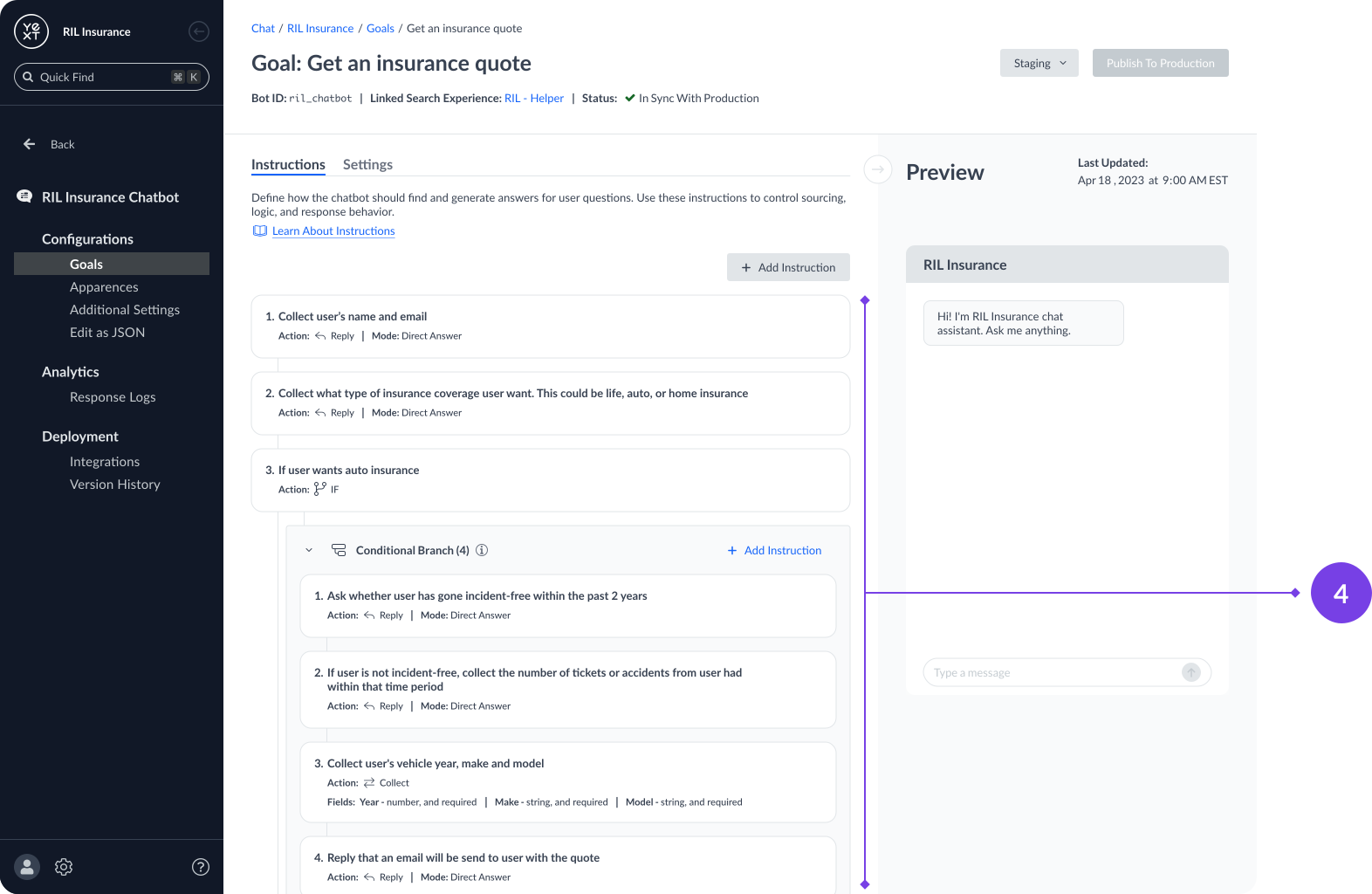
4

Execution Logic & Behavioral Guardrails

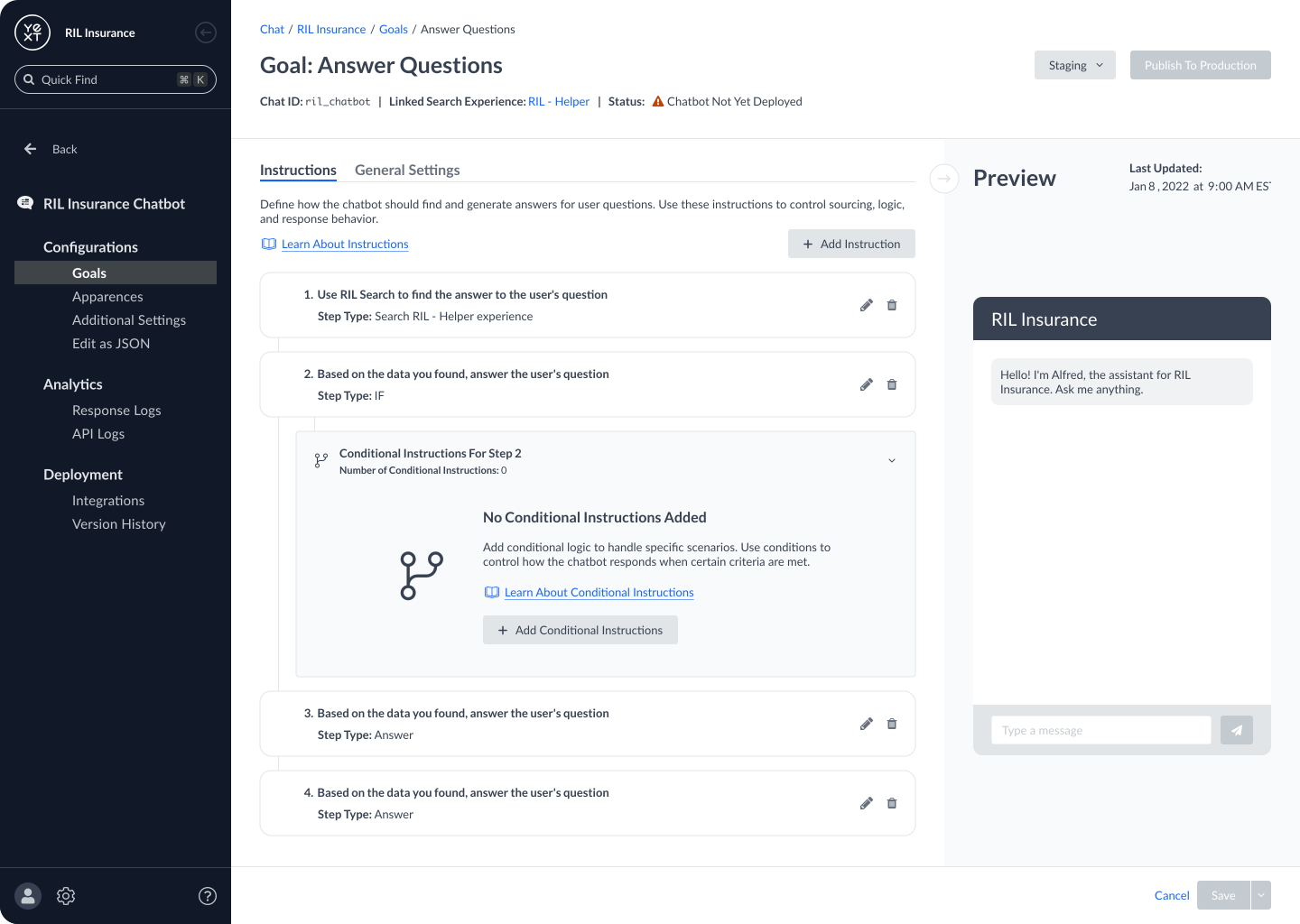
Instructions defined how each goal was executed - controlling response generation, data retrieval, and external actions. Conditional logic enabled context-aware behavior while preserving enterprise governance and brand safety.

Final solution screenshot 4
Expand
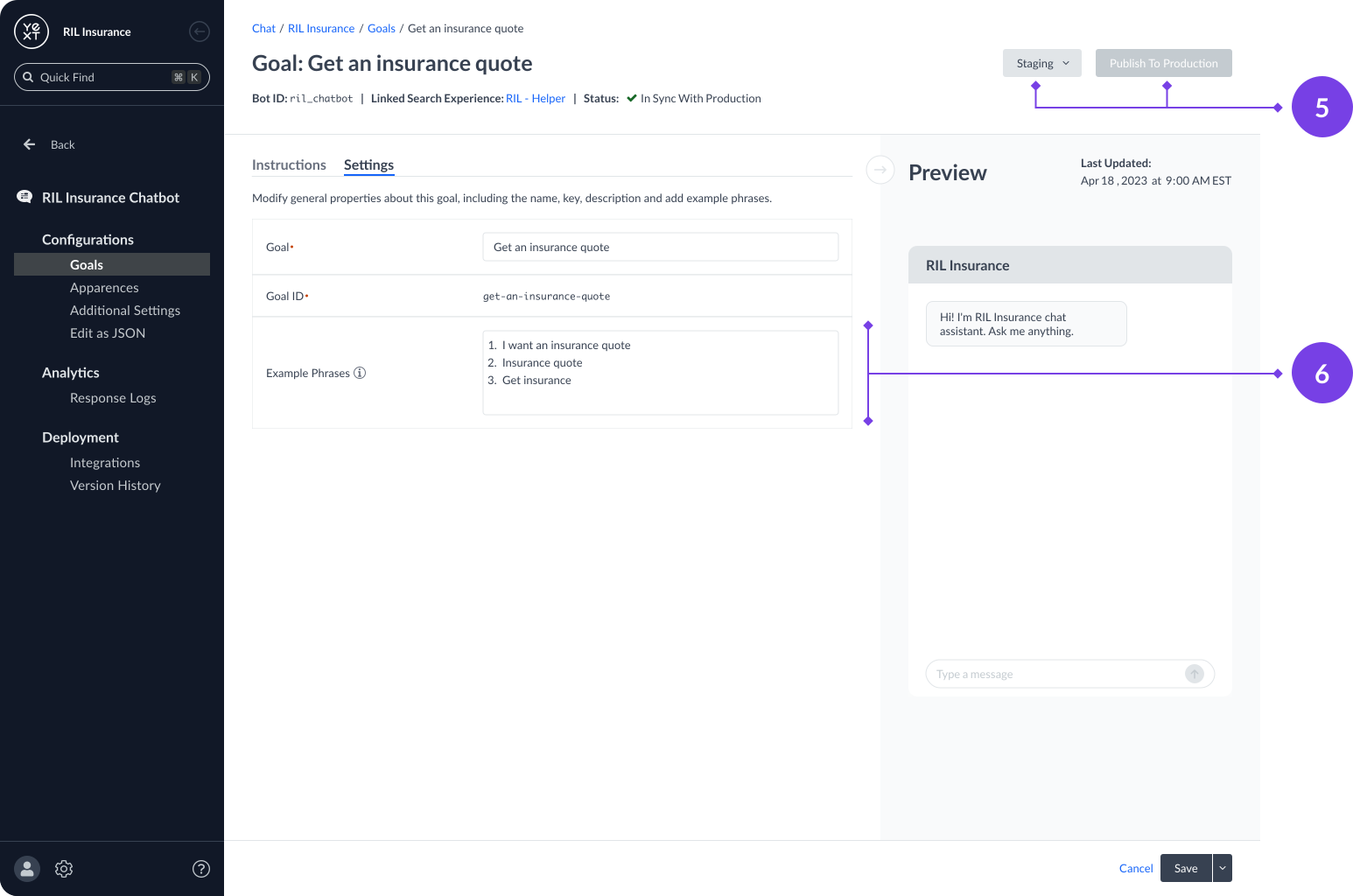
5

Deployment & Controlled Rollout

The chatbot followed the same deployment model as Yext Search, allowing teams to stage, preview, and promote configurations through controlled environments before going live. This ensured governance, version control, and predictable rollout within established enterprise workflows.

6

Intent Training with Example Phrases

Each goal included example phrases that trained the chatbot to recognize user intent and trigger the correct workflow. By defining representative queries upfront, teams improved detection accuracy and increased confidence that similar user inputs would activate the appropriate goal.

Final solution screenshot 5
Expand
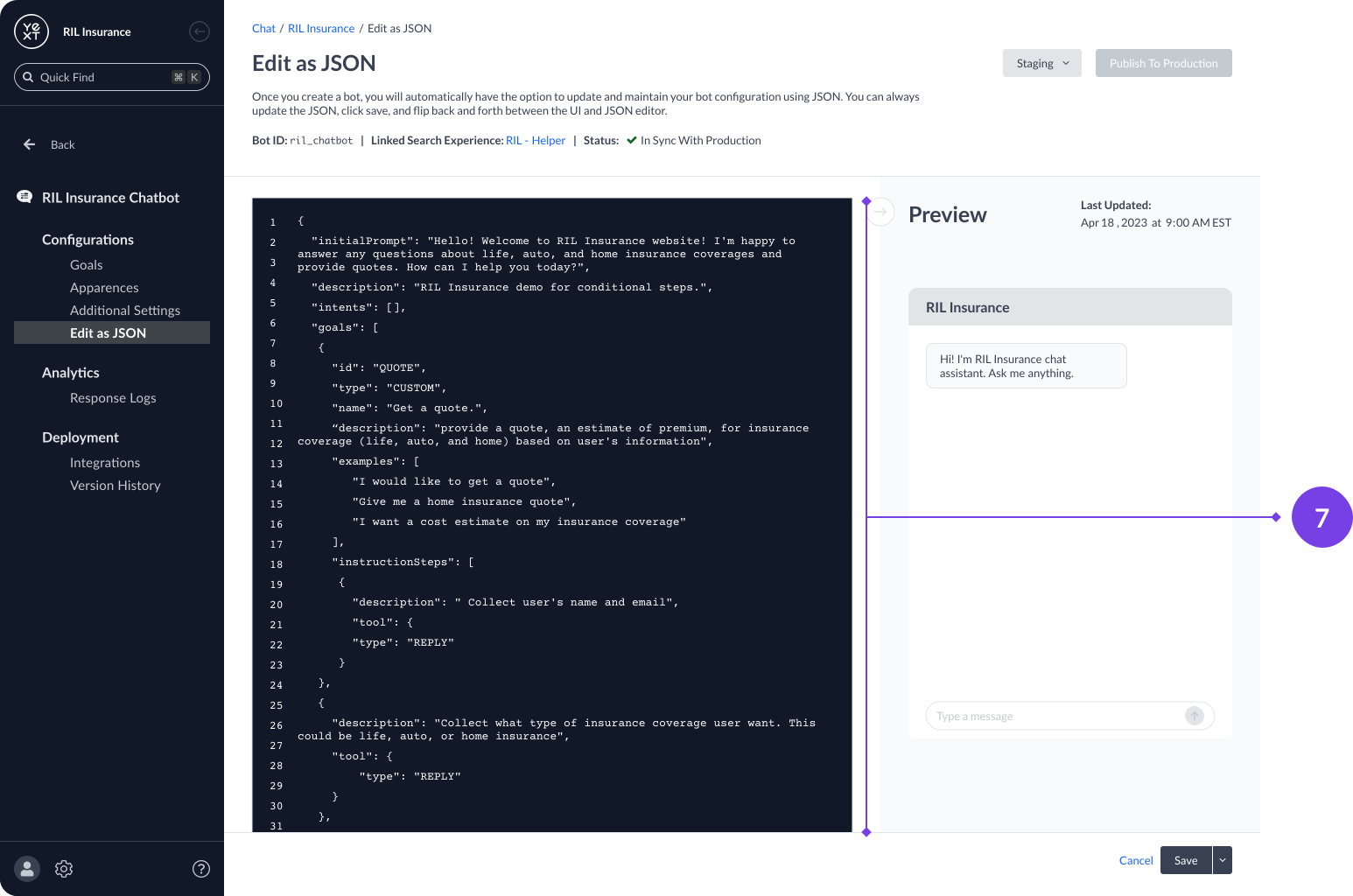
7

Developer-Level Configuration

In addition to the guided setup, the chatbot could be configured directly through JSON to support technical teams and advanced implementations. This ensured flexibility for complex deployments while maintaining alignment with the broader system architecture.

Final solution screenshots 6-9 1
Expand
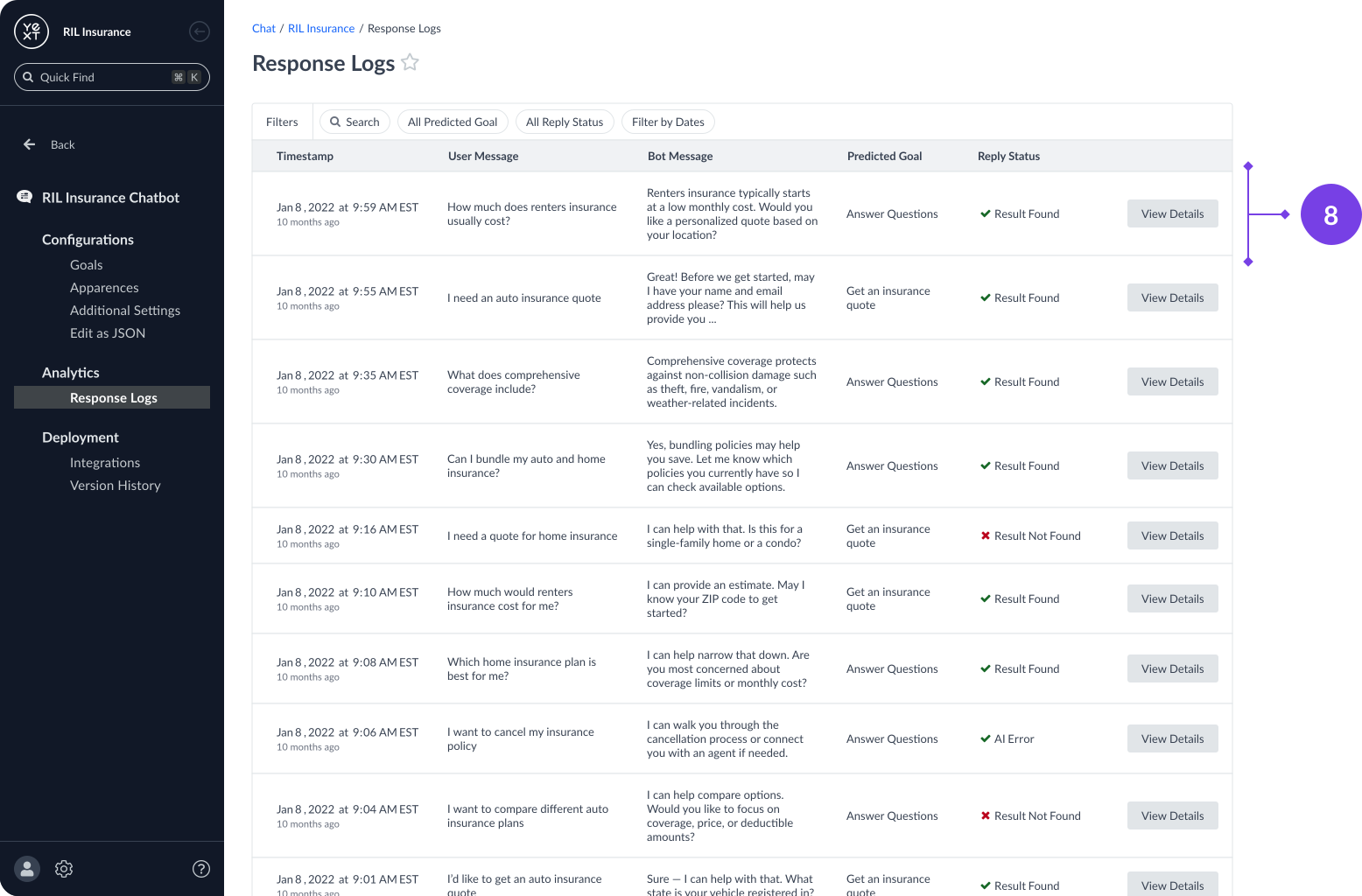
8

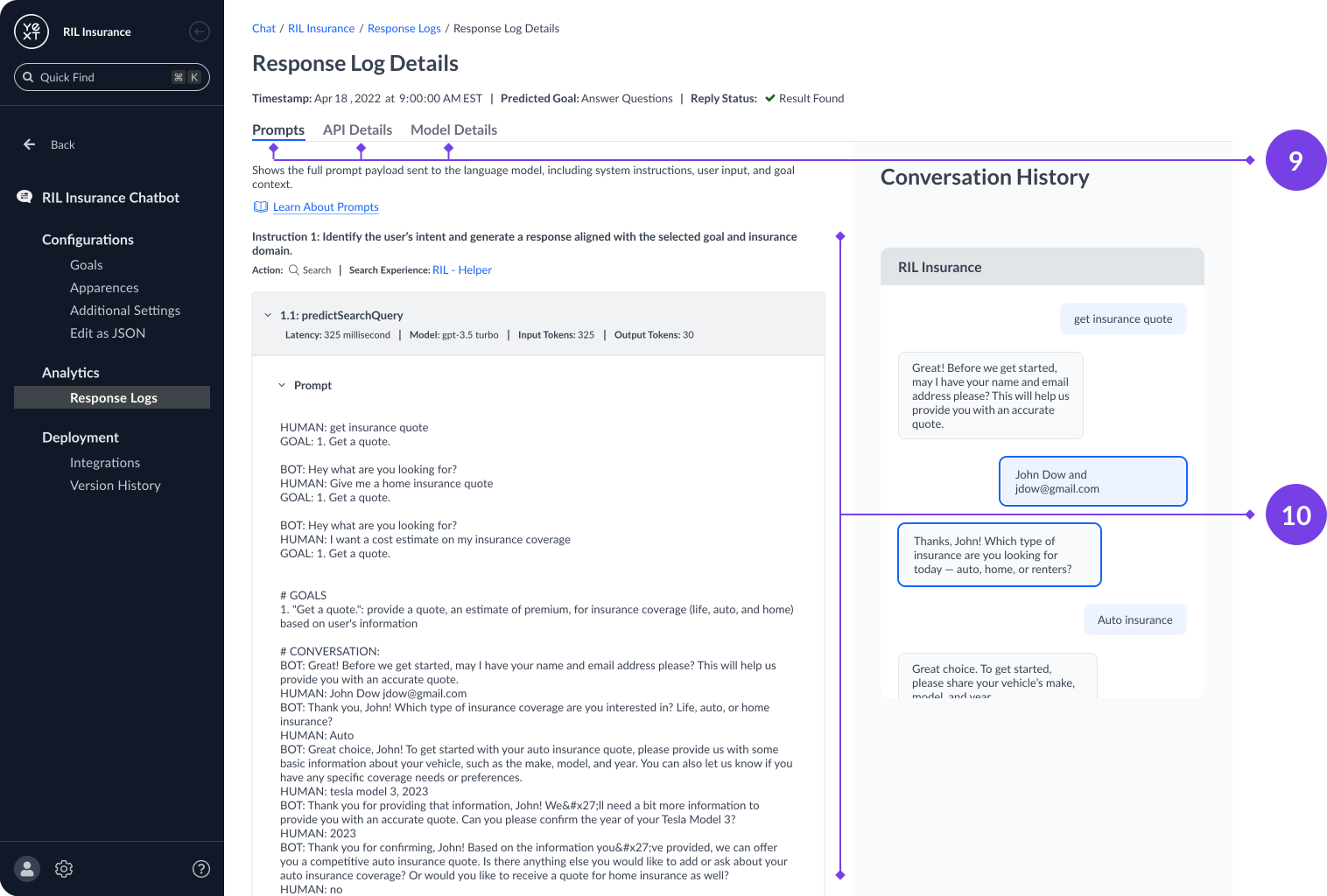
Response Logs & Performance Visibility

Comprehensive response logs provided visibility into how each interaction was processed, including detected goals, executed instructions, and generated outputs. This enabled teams to audit behavior, troubleshoot issues, and continuously optimize performance - reinforcing transparency, accountability, and trust at enterprise scale.

Final solution screenshots 6-9 2
Expand
9

Under-the-Hood Visibility

For each response, teams could inspect how the chatbot interpreted the input, which data was retrieved, and how the final answer was constructed. This level of transparency made AI behavior observable and explainable, strengthening trust and enabling precise troubleshooting when needed.

10

Prompt & Model Transparency

Teams could review and refine the prompts guiding response generation, providing visibility into how the model was instructed to behave. This enabled fine-tuning of tone, structure, and logic while maintaining control over how AI outputs were produced.

Final solution screenshots 6-9 3
Expand
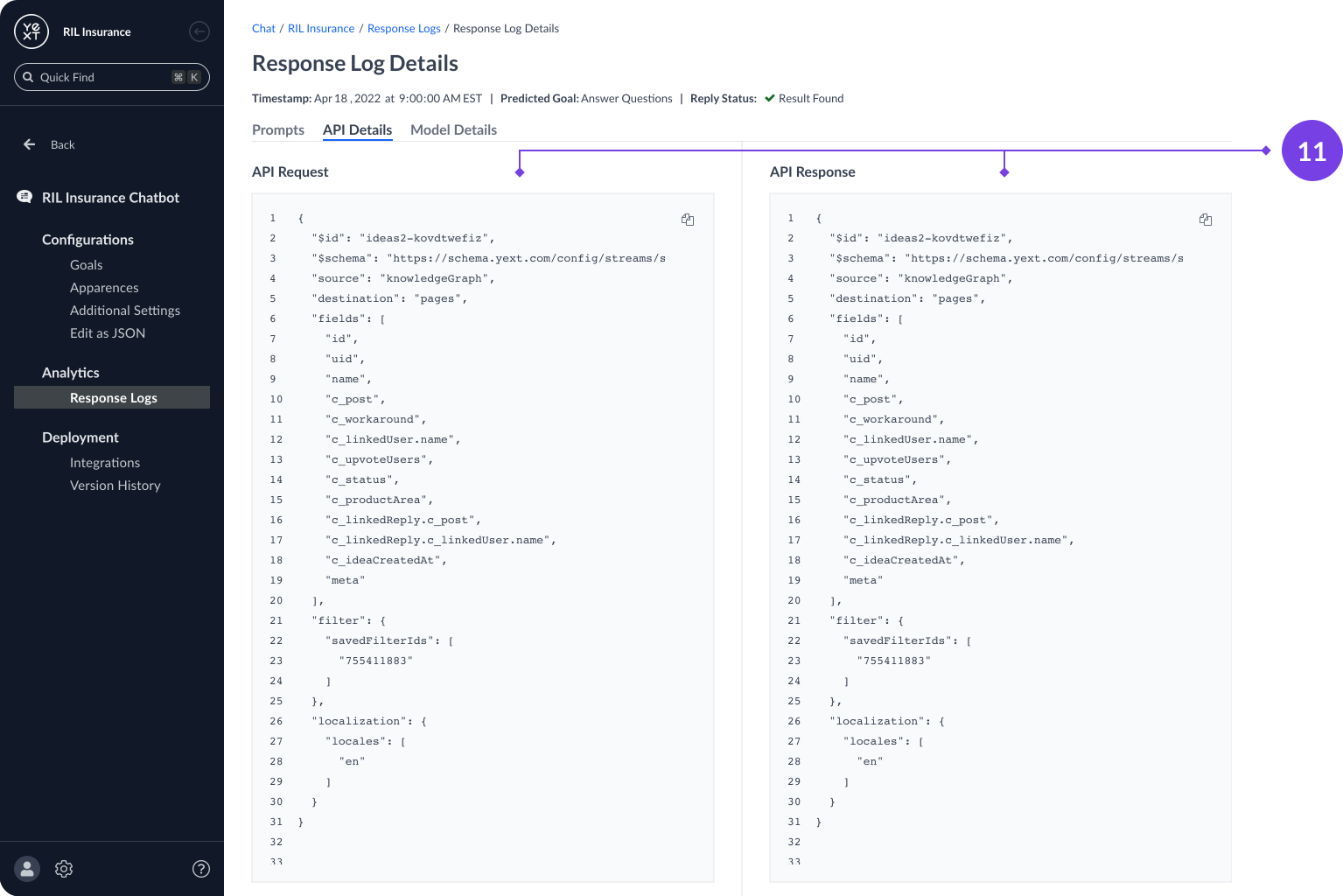
11

API Execution & Integration Details

Detailed API logs provided visibility into external calls triggered by the chatbot, including request payloads, responses, and execution status. This allowed teams to monitor integrations, validate system behavior, and troubleshoot workflow dependencies—ensuring reliability across connected enterprise systems.

Final solution screenshots 6-9 4
Expand
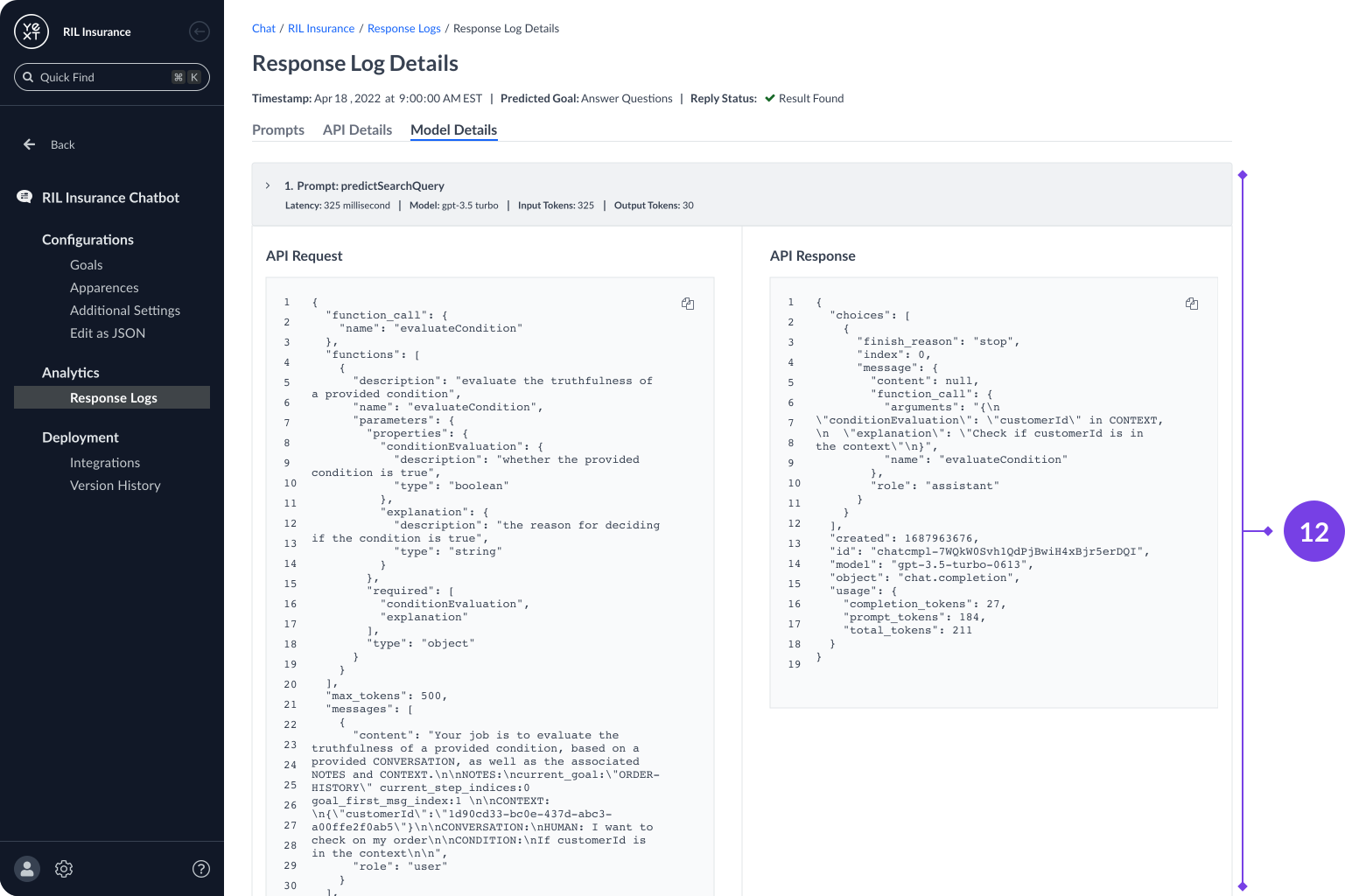
12

Model Transparency & Configuration

Model details provided visibility into the underlying AI model powering responses, including configuration settings and version information. This enabled teams to understand the technical foundation behind outputs, align model behavior with enterprise requirements, and maintain control as AI capabilities evolved.

Final solution screenshot 10
Expand
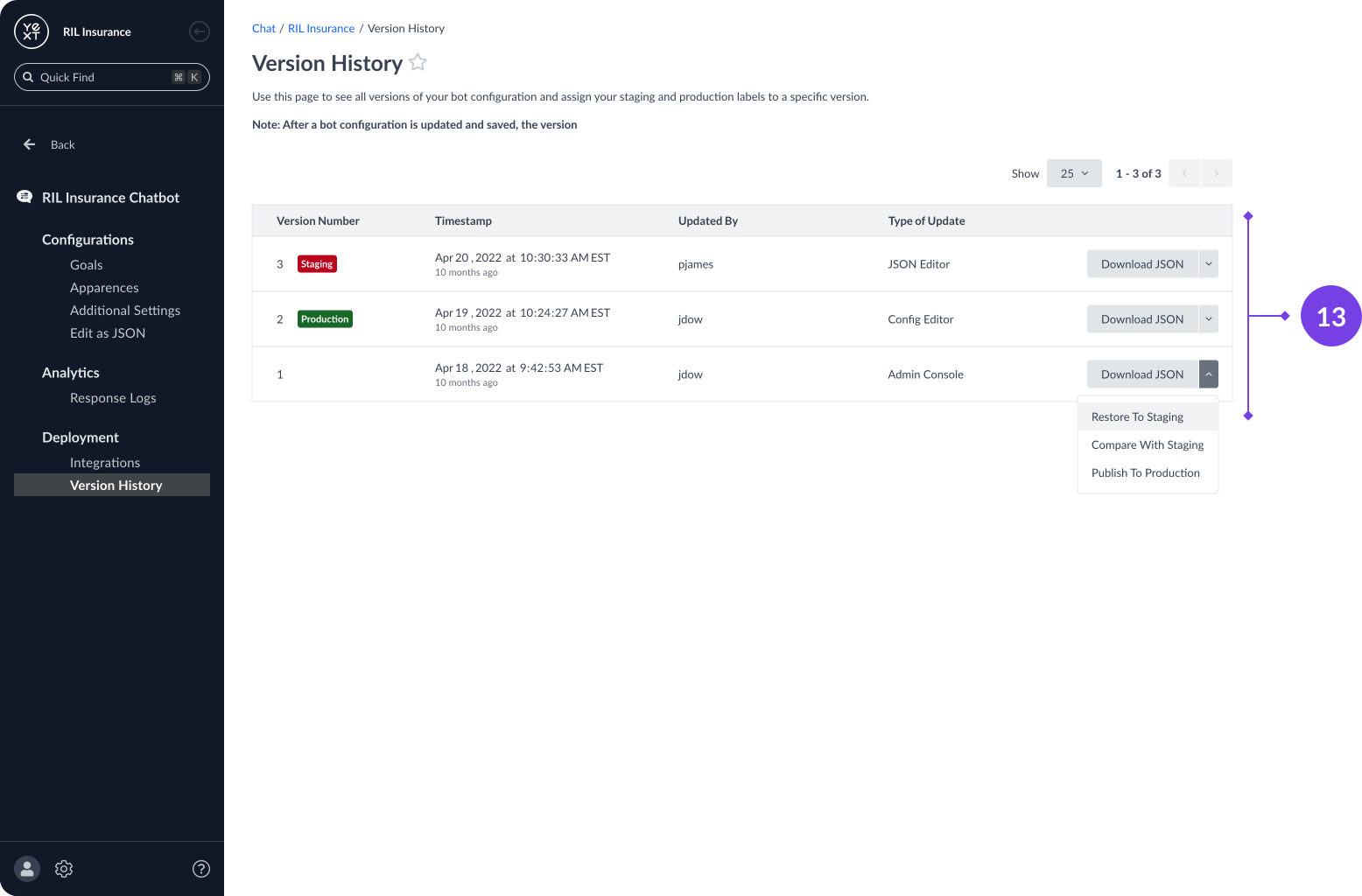
13

Version History & Change Tracking

Version history provided a record of chatbot configurations over time, allowing teams to review changes, compare revisions, and restore previous versions when needed. Aligned with Yext Search deployment patterns, this ensured controlled iteration, accountability, and safe experimentation at enterprise scale.

Final solution screenshot 11
Expand
14

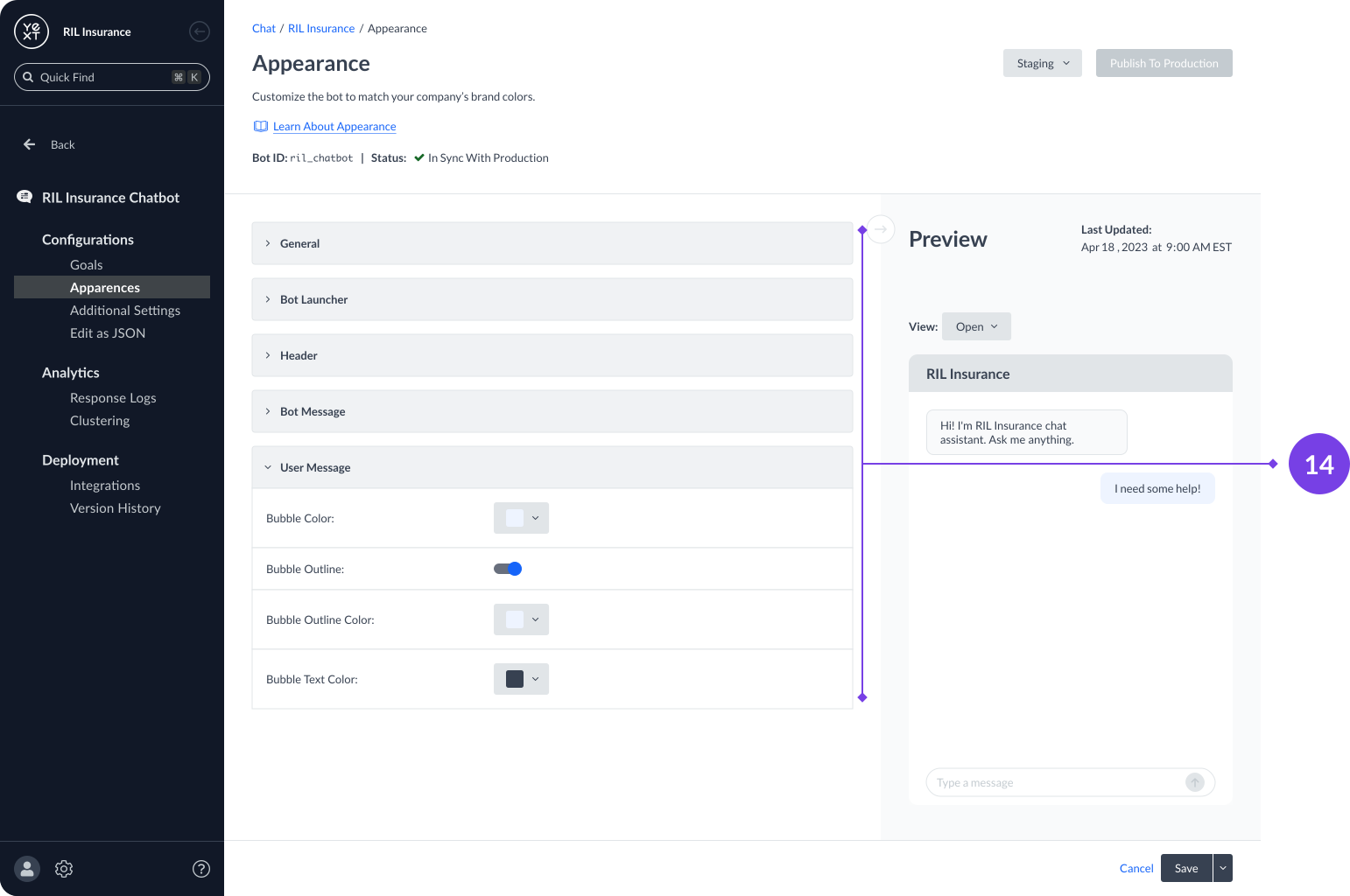
Brand-Aligned Styling & Theming

Styling controls allowed teams to configure the chatbot’s visual presentation to align with brand guidelines, including layout, colors, and interface elements. This ensured the conversational experience felt native to the website while maintaining consistency across digital touchpoints.

Final solution screenshots 12-13 1
Expand
15

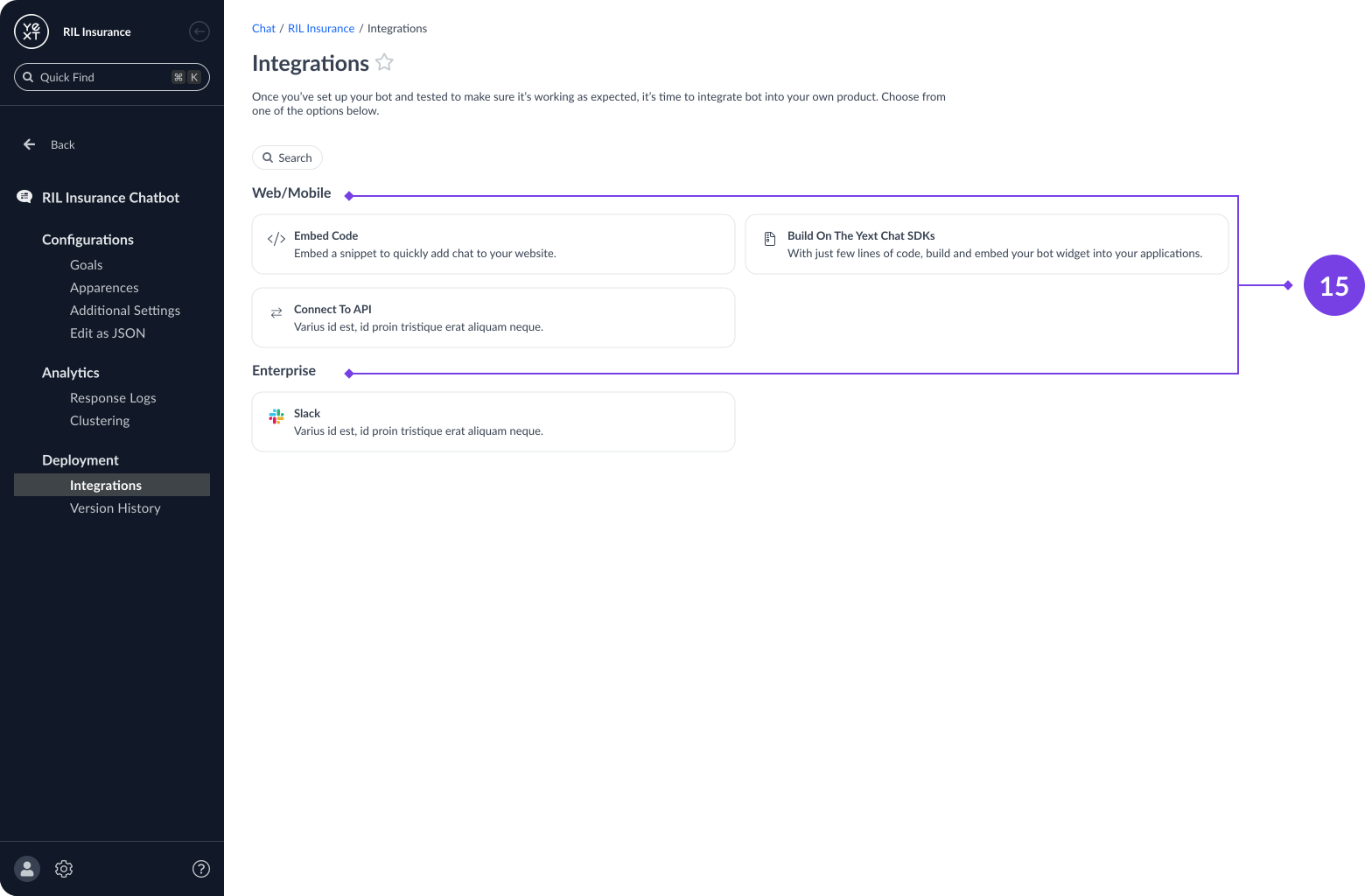
Chat Integration

Integration options allowed teams to embed the chatbot directly into their websites or digital properties using configurable deployment methods. This ensured flexible implementation across environments while maintaining alignment with existing infrastructure and governance standards.

Final solution screenshots 12-13 2
Expand
16

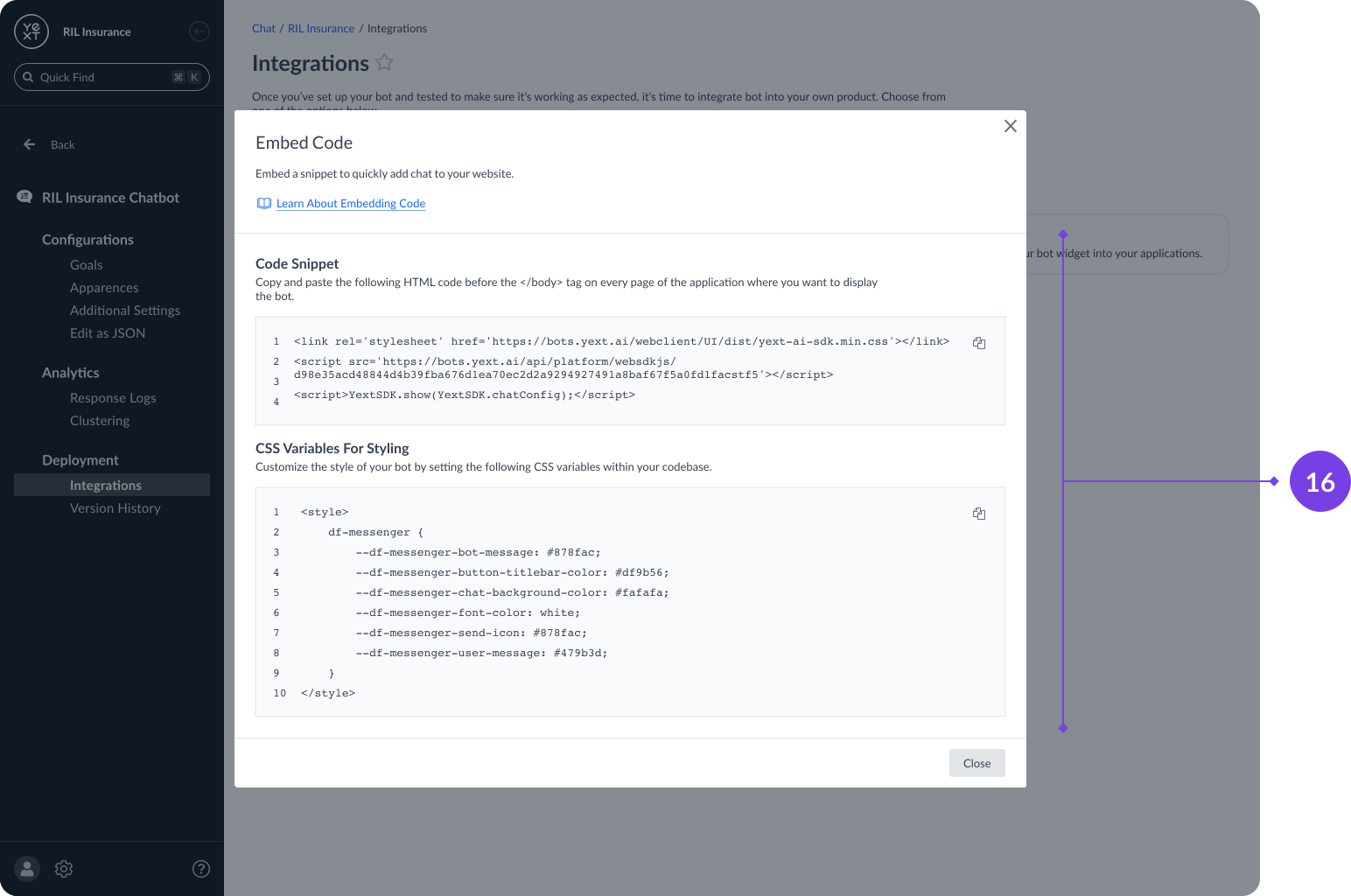
Script-Based Deployment

A script-based embed option allowed teams to deploy the chatbot directly onto their website with minimal engineering effort. By inserting a lightweight script tag, the conversational experience could be integrated seamlessly while maintaining centralized control through the Yext platform.

External Recognition

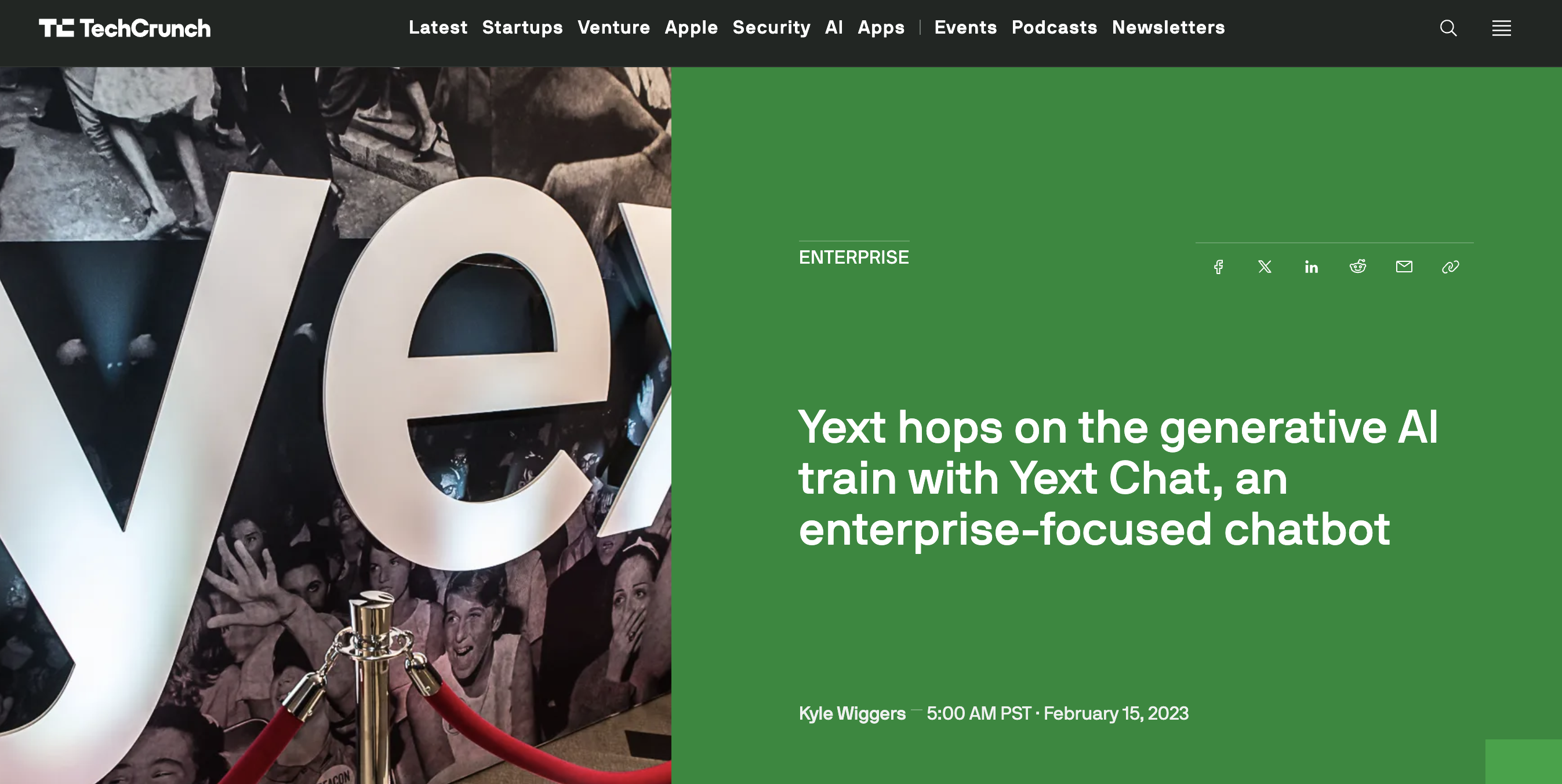
Yext Chat's launch was covered by TechCrunch, highlighting Yext's approach to building a governed, enterprise-ready conversational AI.

Retrospective

Looking Back

The most important decision was treating trust and governance as core design challenges, not afterthoughts. The real work was not the chat interface itself, but building the system that ensured answers were accurate, controlled, and safe for enterprise use.

If revisited, deeper post-launch validation would have helped refine how businesses monitor, tune, and evolve conversational behavior over time as usage matured.


Lessons

In emerging AI spaces, speed alone is not enough. Enterprise adoption depends on clarity, control, and confidence in how the system works. Without those, even the most advanced experience will struggle to scale.


Tradeoffs

To move quickly in a rapidly changing market, conversational depth and extended validation were intentionally limited. The focus remained on delivering a stable, enterprise-ready foundation, prioritizing accuracy, governance, and scalability over feature breadth.